
Mental health therapy (often called psychotherapy, talk therapy, or counseling) is a structured process in which a trained professional helps individuals, couples, or groups understand and work through emotional, behavioral, and psychological challenges. Through conversation and tailored techniques, therapists support clients in managing stress, coping with life changes, healing from trauma, changing unhelpful behaviors, and improving overall well-being. Modern therapy includes many approaches, such as cognitive-behavioral therapy (CBT), interpersonal therapy, family therapy, trauma-focused therapy, and integrative styles, chosen to match each person’s needs.
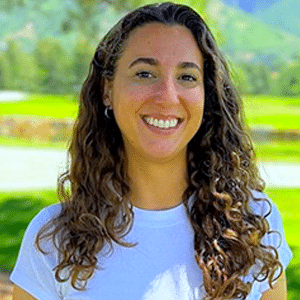
Currently accepting new clients without insurance.
I work with adults navigating grief, identity shifts, or major life transitions, as well as couples seeking stronger communication and deeper emotional connection. With 10 years of experience in mental health, I’m deeply passionate about supporting people in stepping into their authentic selves, healing old wounds, and rebuilding confidence. I guide clients toward greater self-understanding and empowered self-expression through mindfulness-based therapy, emotional processing, and communication skill building.
I grew up in Northern California and have lived in several states, practicing as a therapist in Nevada and Colorado before coming to Utah. My undergraduate degree is in Family & Human Development and I have a Master of Science in Marriage & Family Therapy. I love being active outdoors, spending time in or near water, and deeply enjoy birdwatching.
Individual or Couples Therapy: $120/session
Accepted insurance plans: Aetna, Carelon Behavioral Health, Cigna, Horizon Blue Cross and Blue Shield of New Jersey, Independence Blue Cross Pennsylvania – Virtual National Network, Regence BlueCross BlueShield of Utah, Select Health – Utah
Please ask me about other payment options I may have available!
Mental health therapy offers a wide range of benefits backed by research and clinical experience, including:
Because therapy is an active collaboration between client and therapist, outcomes are often better when clients feel safe, respected, and heard, which strengthens long-term mental health.
The roots of mental health therapy go back centuries, but the formal practice of psychotherapy (structured psychological care) began to take shape in the 19th century. Although humans have used talk-based support and healing rituals for thousands of years, early modern influences included:
Before these developments, people with emotional or cognitive challenges were often misunderstood and sometimes treated harshly or inhumanely. A shift from superstition toward science changed how societies view mental health.
Therapy in its modern form grew gradually throughout the 20th century, but its widespread popularity and normalization in American culture can be traced to several key phases:
Overall, therapy shifted from a niche, often stigmatized practice to a widely accepted resource for personal growth and health — particularly from the late 20th century into the 2000s.
Mental health care in Utah developed alongside national trends, but with its own local history: